What Is the Difference in Daily Use?
A walk-in shower is quick and practical for busy mornings. It offers easy access, generous room for two people and the ability to add features such as multiple shower heads, benches and linear drains. Many homeowners appreciate how simple it is to keep a shower clean compared with a tub that has seams and corners to scrub.
A bathtub provides a different kind of comfort. A deep soaking tub is ideal for winding down after a long day, and it is often the first choice for families with young children who need bath time. Some tubs are combined with a shower head, which gives you both options in one fixture.
Space and Layout Considerations
Space is often the deciding factor. A walk-in shower can make a small bathroom feel more open because it removes the bulk of a tub. Glass panels or a curbless design help maintain sightlines. A walk-in shower typically needs a clear area of at least 36 inches by 36 inches, although larger dimensions are more comfortable.
A tub generally requires a standard footprint of roughly 60 inches by 30 inches, plus clearance for entry and access. In a compact room, that footprint may limit the placement of the vanity and toilet. Freestanding tubs look elegant but need careful planning around plumbing and floor loading.
Cost Comparison
Costs vary with materials, plumbing changes and finish levels. A tub replacement with a basic acrylic unit may be less expensive than a custom walk-in shower with tile, glass and a built-in bench. However, a tub can cost more than expected if you choose a freestanding model, a built-in soaker or a heavy material that requires structural reinforcement.
When comparing options, include waterproofing, tile, glass, drainage and finishes in the total. Keeping the drain in its current location often reduces labour and makes either option more affordable.
Safety and Accessibility
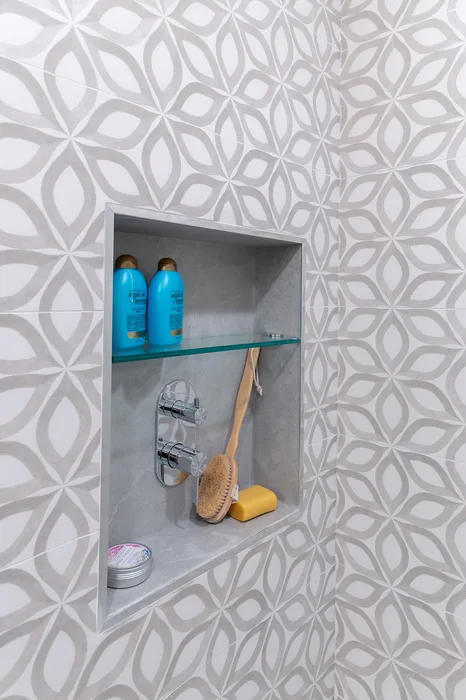
Accessibility is an important consideration for every household. A curbless walk-in shower with a low threshold and grab bars is easier to enter and exit, which is especially helpful for older adults or anyone with mobility concerns. Textured tile flooring and non-slip surfaces also reduce the risk of falls.
Bathtubs can be made safer with grab bars, non-slip mats and walk-in tub designs that include a door. Discuss your needs with your designer to identify the best combination of safety features for your home.
Resale and Market Appeal
Both options can add value when well executed. Many buyers appreciate a modern walk-in shower, particularly in primary bathrooms. However, families with young children may place a higher value on a tub, especially in a family bathroom. Consider the likely buyers in your neighbourhood and the layout of the rest of the home.
If you have a single full bathroom, keeping a tub may be useful for resale. In a primary ensuite, a walk-in shower is often the more popular choice.
Maintenance and Cleaning
Walk-in showers require attention to grout, glass and drain areas, but regular cleaning is straightforward. Choosing large-format tile with minimal grout lines reduces upkeep. Glass with a protective coating makes water spots easier to remove.
Tubs need regular cleaning around the rim, seams and caulking. Acrylic surfaces should be cleaned with non-abrasive products to avoid scratches. Resealing caulk at the tub edge periodically helps prevent water damage.
Combining Both Options
Many homes benefit from having both a walk-in shower and a tub. In a primary bathroom, a walk-in shower may be the daily workhorse, while a tub in a secondary bathroom serves family needs. If space is limited, a tub-shower combination in the family bath can serve both purposes.
How to Decide
Start with your daily routine. If you rarely use a tub, a walk-in shower is likely the better choice. If bathing is a regular part of your routine or you have young children, a tub may be worth keeping. Consider the size of the room, the age and needs of the household and the long-term resale potential.
Frequently Asked Questions About Walk-In Showers and Bathtubs
Is a walk-in shower better than a bathtub for resale?
It depends on the home and the buyer. Walk-in showers are popular in primary bathrooms, while tubs remain valuable in family bathrooms. Local market conditions also matter.
How much space does a walk-in shower need?
A walk-in shower often needs at least 36 by 36 inches of usable space, although larger dimensions offer more comfort and flexibility in design.
Can I replace a tub with a walk-in shower?
In many cases, yes. The feasibility depends on the existing plumbing, the floor structure and the layout. A designer can confirm options during a consultation.
Are walk-in showers safe for older adults?
A curbless design with a low threshold, grab bars and non-slip flooring can make a walk-in shower safer and easier to use. Personal needs should guide the final design.
Which option is better for a small bathroom?
A walk-in shower often works better in a small bathroom because it saves floor space. A compact tub-shower combination can also be practical. Our full service home renovation design team can test layouts that fit your room, and you can contact us to arrange a consultation.
Deciding between a shower and a tub? Explore our bathroom and kitchen renovation services or call +1 778 862 8533 to talk through your options.