Start With the Right Size
Vanity sizing begins with the available floor space and the clearance needed for doors, walkways and toilets. A typical single vanity ranges from 24 to 36 inches wide, while double vanities often measure 60 inches or more. Allow at least 15 inches of clearance on each side of the sink’s centre for comfortable use, and check that the vanity does not block a door swing.
Height also matters. Standard vanities are usually around 32 to 36 inches high, which suits most adults. Taller units may be more comfortable for some people, and wall-hung vanities can make a small bathroom feel more open and simplify floor cleaning.
Choosing a Vanity Style
Style sets the mood of the bathroom. Shaker-style cabinets with clean-lined doors suit transitional and traditional homes, while flat-panel fronts give a modern, minimal look. Freestanding furniture-style vanities bring warmth and character, especially in a powder room or secondary bathroom.
Colour choices range from soft whites and greys to rich wood tones and deep navy or green. A painted vanity can create a focal point, while a natural wood finish brings organic texture. Keep the vanity in harmony with the tile, lighting and hardware for a cohesive result.
Countertop Options
The countertop shapes both the look and the functionality of the vanity. Quartz is a popular choice because it is durable, non-porous and easy to maintain. Natural stone such as marble offers unique veining but requires more care. Solid surface materials provide a seamless look and can be repaired if scratched.
Consider the integrated sink as well. Undermount sinks allow easy wiping of the countertop, while vessel sinks create a sculptural statement. Choose a design that suits your cleaning routine and daily needs.
Storage That Works for Your Routine
Storage is where many bathroom vanities succeed or fail. Drawers are generally more practical than cabinet doors because they allow you to see and reach items easily. Deep drawers suit towels and toiletries, while narrow drawers beside the sink can hold brushes, razors and small containers.
Think about the items you use every day. Built-in organizers, pull-out trays and dividers keep countertops clear and reduce clutter. A vanity with a tower or side cabinet can add valuable storage for linens, cleaning supplies or hair tools.
Lighting and Mirrors
Lighting plays a major role in how a vanity functions. Wall sconces on either side of the mirror provide even light on the face, which makes grooming easier. Overhead lighting alone can create shadows, so layering improves the experience.
Mirrors should be sized to suit the vanity. A mirror that is roughly the width of the vanity or slightly wider usually looks balanced. Medicine cabinets with integrated lighting offer extra storage and a streamlined appearance.
Single or Double Vanity?
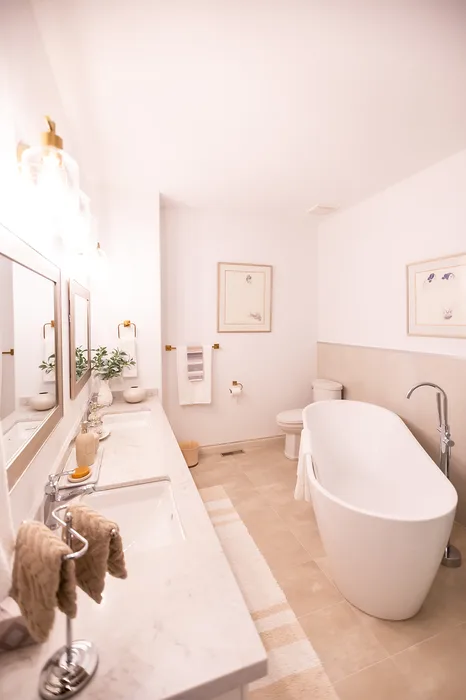
A double vanity is ideal for shared primary bathrooms where two people need separate sink space. It requires more floor area and additional plumbing, so it is best suited to larger rooms. A single vanity with generous storage may be more practical in smaller spaces or in secondary bathrooms.
Hardware and Finishing Details
Hardware such as pulls and knobs adds personality and should match faucets and light fixtures where possible. Brushed brass, matte black and polished nickel are popular choices. Soft-close hinges and drawer slides improve daily comfort and extend the life of the cabinetry.
Planning Tips for a Successful Vanity
Measure the space carefully before ordering. Confirm the location of plumbing, electrical outlets and any existing wall features. Choose the countertop and sink together so that the cut-outs and fit are accurate. Ask your designer to review the proportions, especially if you are combining a vanity with a large mirror or wall tile.
Frequently Asked Questions About Bathroom Vanities
What size bathroom vanity is best for a small bathroom?
A vanity between 24 and 30 inches wide often suits a small bathroom. A wall-hung or slim design can save floor space and make the room feel more open.
Should I choose drawers or cabinets for my vanity?
Drawers are usually more practical because they provide easy access to contents. A combination of drawers and a cabinet can offer both convenience and storage for larger items.
What countertop is best for a bathroom vanity?
Quartz is a popular and low-maintenance option. Natural stone can add luxury, but it requires more care. Choose the material that matches your lifestyle and cleaning habits.
How high should a bathroom vanity be?
Most vanities are between 32 and 36 inches high. Consider the height of the people using the bathroom and whether a taller or wall-hung option would be more comfortable.
Can a designer help choose the right vanity?
Yes. A designer can recommend sizes, layouts and finishes that work with your room’s dimensions and your storage needs. Our full service home renovation design team can help you select the right vanity during a consultation.
Ready to refresh your bathroom? View our renovation projects for inspiration or call +1 778 862 8533 to plan your vanity and full bathroom design.