Why Some Cabinet Colours Stand the Test of Time
Trend-driven colours can feel fresh for a season and then appear dated. Timeless cabinet colours tend to share a few qualities: they are rooted in natural tones, they work with a variety of materials and they allow the rest of the room to change without clashing. Neutral and earthy palettes give you the flexibility to update accessories, paint and decor as your taste evolves.
Consider how the colour will look in both morning and evening light. A soft white can glow in a sunny room yet appear grey on an overcast afternoon. Test samples at different times of day before committing, especially in homes where natural light changes significantly from season to season.
Classic Kitchen Cabinet Colours
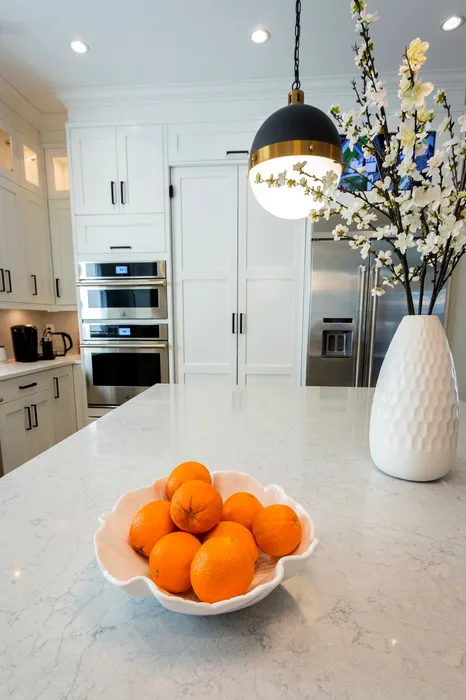
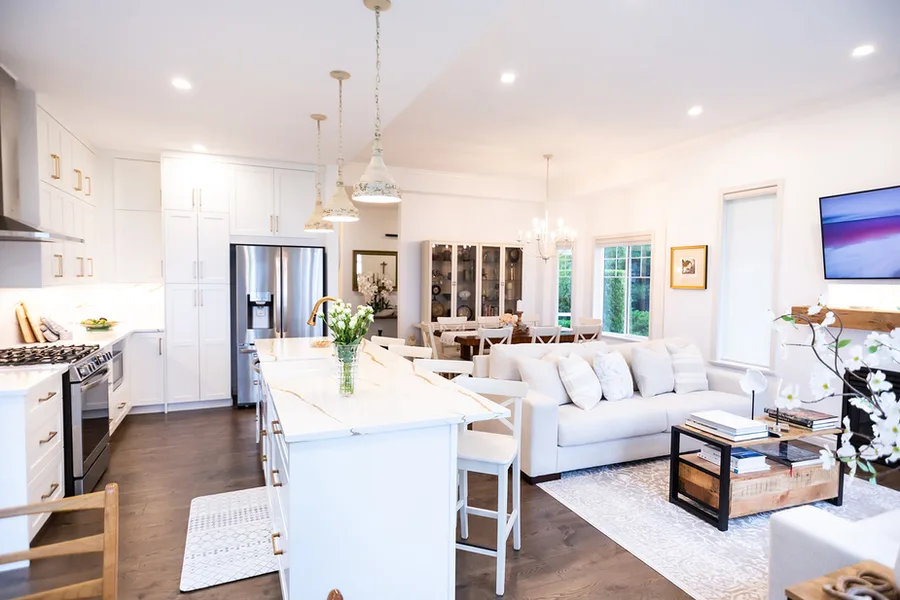
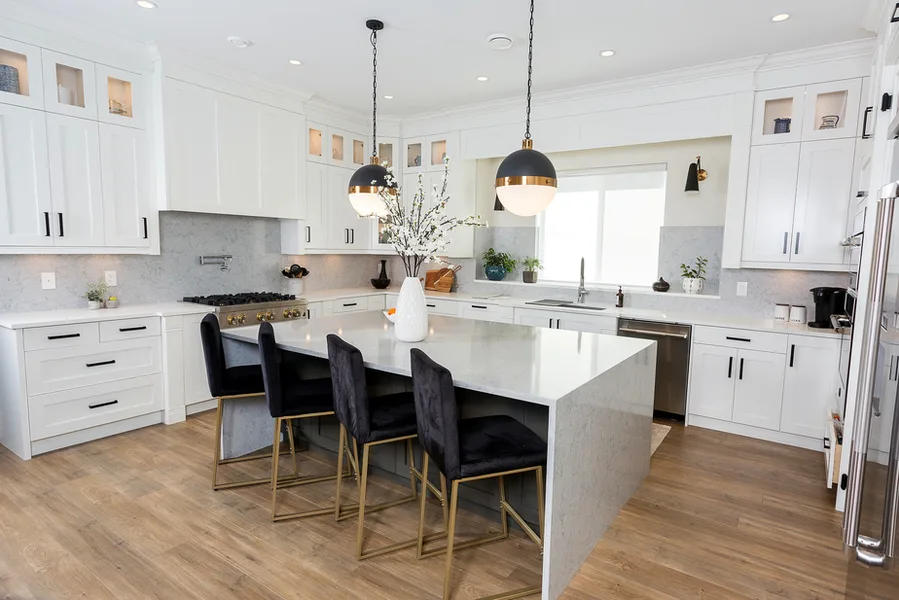
White remains the most enduring choice for kitchen cabinets. Warm whites with a hint of cream feel inviting, while cool whites suit contemporary spaces with crisp lines. Choosing a white with a subtle undertone helps the cabinets sit comfortably beside stone, tile and wood. White cabinets also reflect light, which makes them an excellent option for smaller or darker kitchens.
Warm neutrals such as greige, soft taupe and light putty offer a sophisticated alternative. These shades bridge the gap between white and wood, adding depth without overwhelming the room. They pair especially well with brushed brass hardware and natural stone countertops.
Wood tones, from pale oak to rich walnut, bring warmth and texture. Natural wood cabinetry suits homes with a relaxed, organic feel. For a more refined look, consider a stained finish with visible grain, which adds character while still feeling timeless.
Colours With Staying Power and Personality
Soft sage green has grown in popularity and continues to appeal to homeowners who want a calming, nature-inspired kitchen. It works best with warm wood accents and natural
materials. Deep navy is another option with lasting appeal. Used on the island or on lower cabinets, navy adds drama and pairs beautifully with white uppers and brass or chrome hardware.
Black cabinetry has become a statement choice in many modern kitchens. When used thoughtfully, with contrasting countertops and a light backsplash, it creates a striking and balanced space. Black shows dust and fingerprints more easily, so consider the maintenance needs of your household before selecting a matte or high-gloss finish.
Two-Tone Kitchens: Balancing Colour and Contrast
Two-tone kitchens combine a lighter colour on the upper cabinets with a deeper shade on the base cabinets or island. This approach visually lowers the ceiling and grounds the room, and it can make a kitchen feel more layered and custom. A popular combination is white uppers with warm wood or sage lowers.
When planning a two-tone design, aim for colours that share a similar undertone. A cool grey paired with a warm oak can look disjointed unless the hardware and countertops tie the palette together. Sample the combination in your actual space before ordering.
Choosing the Right Finish
Finish affects both appearance and durability. Matte finishes feel soft and modern, but they can show fingerprints in high-traffic kitchens. Satin finishes offer a gentle sheen that is easy to clean and works well in most homes. Gloss finishes reflect light and create a sleek look, though they highlight imperfections in the surface and require careful cleaning.
Consider the wood species and the grain in cabinet doors as well. Shaker-style doors with a painted finish suit a traditional or transitional home, while flat-panel doors create a clean, minimal look. Finishes that are easy to maintain will help your cabinets look their best for years.
Coordinating Hardware and Accent Details
Hardware is an easy way to refresh a kitchen without repainting. Brushed brass, matte black, polished nickel and unlacquered brass each bring a different mood. Consistency is key: mixing too many metal finishes can make the kitchen feel busy. Choose one primary finish and use it across cabinet pulls, faucets and light fixtures where possible.
Think about the backsplash and countertop when selecting cabinet colours. A warm white cabinet looks excellent beside a natural-look quartz with subtle veining. A deep cabinet colour pairs well with a light countertop that provides contrast. Samples of the complete palette help you visualize the final result.
Practical Tips Before You Order
Order physical samples rather than relying on screen colours, which can vary widely. View samples in the room where they will be installed, in both natural and artificial light. Ask about the sheen level and how the finish will hold up to cooking, cleaning and daily use.
Working with an experienced designer can simplify the process. A professional can recommend palettes that suit your home’s orientation, flooring and architectural style, and they can help you avoid colours that are likely to date quickly.
Frequently Asked Questions About Kitchen Cabinet Colours
What is the most popular kitchen cabinet colour?
White and warm neutral tones remain the most popular choices because they suit a wide range of styles and allow flexibility for future updates.
Are dark kitchen cabinets a good idea?
Dark cabinets can look striking and sophisticated, especially in kitchens with good natural light. They work best when balanced with lighter walls, countertops or hardware and when the finish suits your cleaning routine.
How do I choose kitchen cabinet colours for a small kitchen?
Lighter colours such as soft white, pale grey or light wood visually open up a small kitchen. Glossy or satin finishes can also reflect more light. Keep the palette simple to avoid visual clutter.
Should I match cabinets to my flooring?
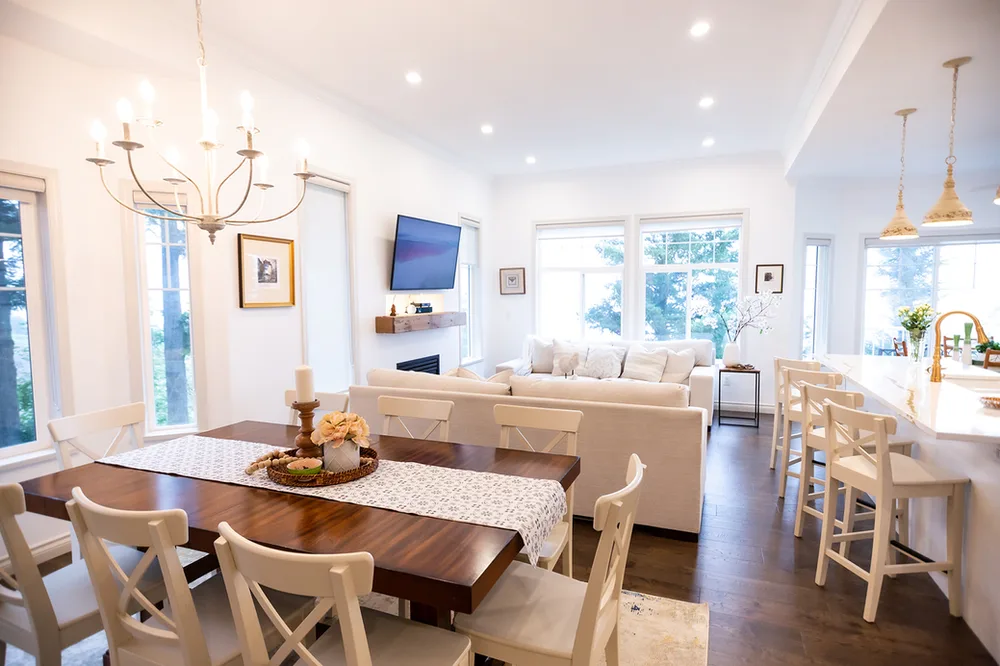
Cabinets and flooring should complement each other rather than match exactly. Aim for a difference in tone or undertone, such as light cabinets over medium-toned wood floors, so the room feels balanced.
Can I change the cabinet colour without replacing cabinets?
Yes. Professional painting or refinishing can refresh existing cabinets, provided the doors and frames are in good condition. Our full service home renovation design team can help you weigh repainting against replacement, and you can book a consultation to review your options.
Ready to choose your cabinet colours? Explore our kitchen and bathroom renovation services, browse completed projects, or call +1 778 862 8533 to speak with a designer.