Earthy and Nature-Inspired Colours
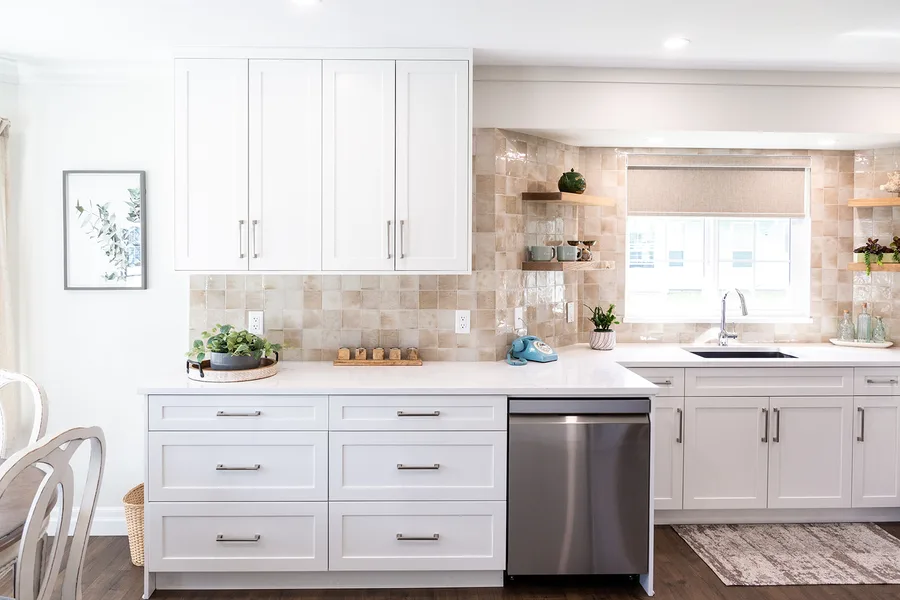
Earthy palettes continue to gain momentum. Clay tones, muted terracotta, warm sand and soft olive are appearing on walls, textiles and cabinetry. These colours feel grounded and calming, and they pair naturally with timber, stone and woven textures. For homes in the Fraser Valley, where the surrounding landscape is green and layered, nature-inspired shades can create a natural connection between indoors and out.
Greens remain a strong choice, particularly sage, eucalyptus and deep forest tones. They work well in kitchens, bathrooms and living rooms, and they are easy to combine with brass accents and natural wood.
Warm Neutrals as the Foundation
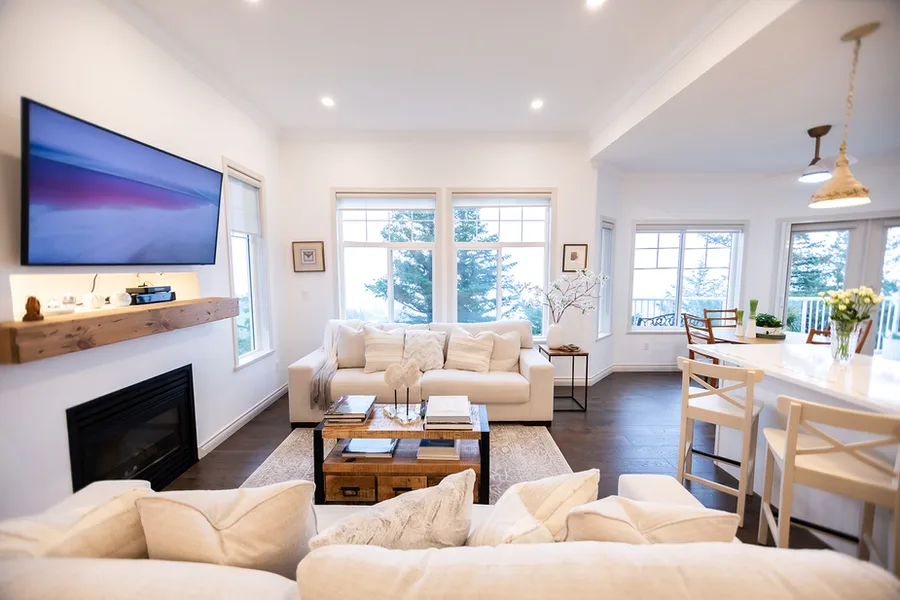
Warm neutrals are becoming the foundation for many 2027 interiors. Soft whites with a creamy undertone, greige and light taupe provide a versatile backdrop that allows colour and texture to shine. Instead of stark white, many homeowners are selecting shades with depth, which adds softness to walls and cabinetry alike.
These neutrals support layering. A room painted in a warm white can hold a rug in oatmeal, a sofa in cognac leather and accent pillows in muted green without feeling disjointed.
Natural Materials and Honest Texture
Natural materials are central to the 2027 look. Oak, walnut and ash bring warmth to furniture, flooring and cabinetry. Stone surfaces, including honed marble-look porcelain and travertine-style tile, add subtle variation. Woven elements such as jute, rattan and linen introduce texture and softness.
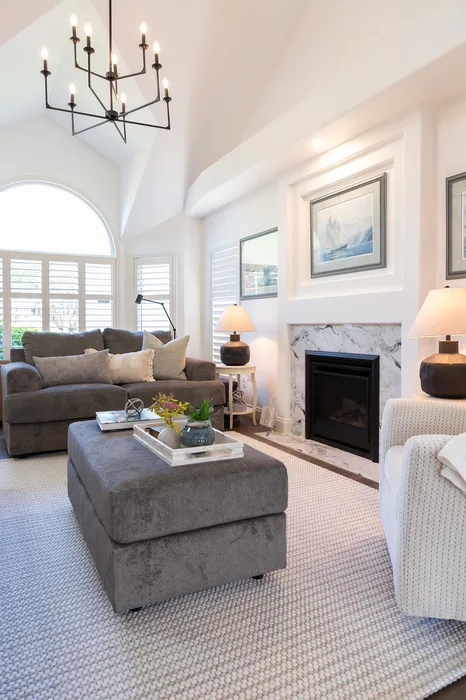
Texture is often more important than pattern. A room with varied surfaces, such as a boucle chair, a textured plaster wall and a hand-thrown ceramic vase, feels rich and considered without requiring bold colour.
Curved Forms and Soft Shapes
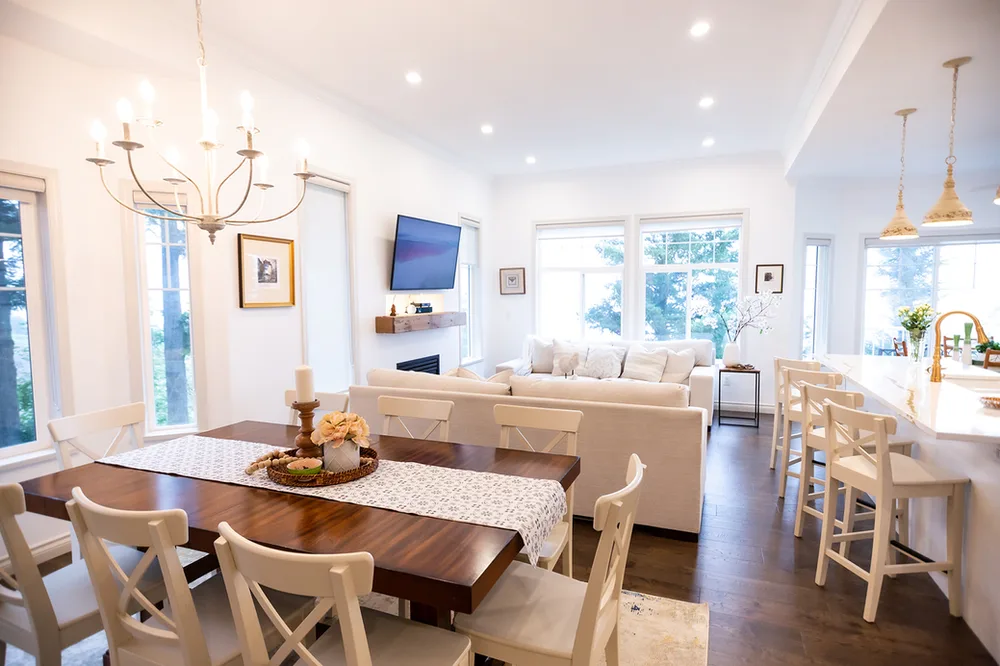
Rounded furniture and architectural details are gaining popularity. Arched doorways, curved sofas, round mirrors and scalloped edges soften the hard lines that dominated earlier modern interiors. These shapes make a room feel more relaxed and welcoming, particularly in open-concept homes where the eye moves across multiple spaces.
Curves can be introduced gradually through a single rounded coffee table, an arched mirror or a curved island in the kitchen.
Warm Metals and Refined Hardware
Brass, bronze and unlacquered metals are replacing cool chrome in many homes. Warm metal finishes complement natural wood and warm neutrals and bring a sense of quality to lighting, hardware and furniture accents. Mixing one warm metal with a matte black element can create contrast while keeping the palette balanced.
Personal Collections and Curated Décor
Curated décor is replacing the idea of matching sets. Homeowners are displaying family pieces, travel souvenirs, vintage finds and artwork that tell a personal story. This approach creates a home that feels collected over time rather than purchased all at once.
Mixing old and new furniture is part of this trend. Pairing a contemporary sofa with an inherited wood sideboard creates an interior with character and depth.
Biophilic Design and Indoor Greenery
Biophilic design, which brings natural elements into living spaces, remains a major influence. Indoor plants, natural light, timber accents and views of the outdoors all contribute to a sense of wellbeing. Large plants in woven planters, window-side seating and organic shapes are simple ways to bring nature inside.
Smart Functionality in Every Room
Practical design is becoming more important. Built-in storage, flexible furniture and well-planned lighting help homes adapt to changing routines, including remote work and multi-generational living. Thoughtful zoning in open-concept spaces supports both privacy and connection.
How to Adopt Trends Wisely
Choose one or two trends to introduce in a room rather than following every new idea. Use trends in items that are easy to change, such as textiles, lighting and décor, and invest in lasting elements such as cabinetry, flooring and built-in features in timeless colours. This strategy keeps your home fresh without requiring frequent renovation.
Frequently Asked Questions About Interior Design Trends for 2027
What colours are trending for 2027?
Earthy tones such as clay, sage, warm sand and muted green are prominent, alongside warm neutrals that provide a versatile base for the room.
Are natural materials still in style?
Yes. Wood, stone, linen and woven textures remain central to the trend toward warm, grounded interiors.
Should I change my whole home to follow the trends?
No. A more sustainable approach is to update accents, textiles and décor while keeping permanent elements in timeless colours and materials.
How can I bring biophilic design into my home?
Add indoor plants, use natural materials, maximize natural light and create spaces near windows where you can enjoy the view.
How can a designer help me choose trends that suit my home?
A designer can assess your architecture, lifestyle and budget and recommend the trends that work for your space. Explore our interior styling services or contact our studio to start a conversation.
Ready to update your home? Browse our recent projects for inspiration, or call +1 778 862 8533 to plan a design that reflects your style.